
How to Choose Your Orthodontist
Finding the right specialist for your smile is one of the most important decisions you’ll make for your oral health. A Palos Hills IL orthodontist should combine specialty training, modern technology, and a welcoming chairside manner. At Paul DiFranco Orthodontics, Dr. Paul E. DiFranco brings more than 35 years of focused experience to every patient who walks through our doors in Palos Hills, IL. Here’s what you need to know before scheduling your free consult.
What Is an Orthodontist (and How They Differ from a Dentist)
An orthodontist is a dental specialist who completes 2-3 years of additional training after dental school, focusing specifically on tooth alignment, jaw development, and bite correction. While dentists handle general oral health like cleanings, fillings, and crowns, orthodontists specialize in moving teeth and guiding jaw growth. For complex cases, choosing a specialist makes a meaningful difference in your results.
Think of it this way: your dentist is your primary care provider for teeth, and your orthodontist is the specialist you see for alignment and bite issues. Both play important roles, but the training is very different.
Dr. Paul E. DiFranco is a third-generation dentist and an active member of the AAO, ADA, CDS, ISDS, and ISO. That means his focus stays on orthodontics, day in and day out. At Paul DiFranco Orthodontics, you’ll see the same doctor from your first visit through your final orthodontic retainer check, something many larger practices can’t promise.
How Orthodontic Treatment Works: From Free Consult to Retention
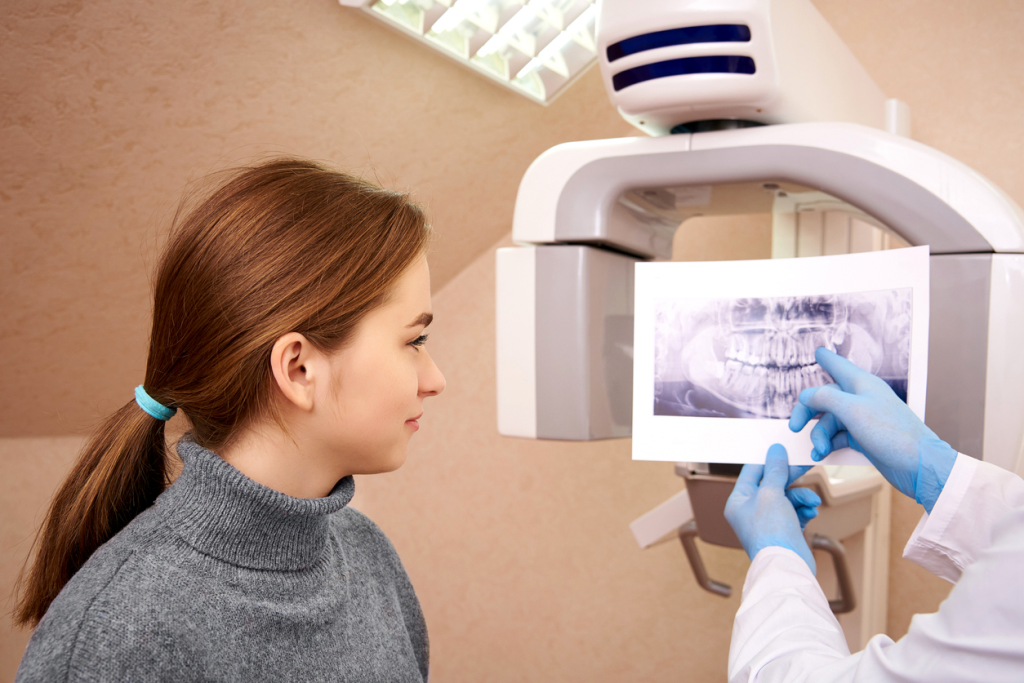
Orthodontic treatment follows a clear process: an initial exam with 3D dental imaging, a personalized treatment plan, active treatment with braces or aligners over 12-24 months, and a retention phase to protect your results. Each step moves your teeth predictably and keeps you comfortable along the way.
Here’s what you can expect at our Palos Hills, IL practice:
- Free consult and digital records. We use digital X-rays and 3D dental imaging to evaluate your teeth, jaw, and airway. No guesswork.
- iTero® scanner impressions. Forget messy putty molds. The iTero® scanner captures a fast, accurate digital impression of your bite.
- Personalized treatment plan. Dr. DiFranco reviews your options, including Damon® clear braces, Damon ultima™ braces, or Spark™ clear aligners.
- Active treatment. You’ll come in every 6-8 weeks for adjustments and progress checks. Most cases finish in 12-24 months.
- Retention phase. Once your teeth settle into their new positions, a custom orthodontic retainer keeps them there for the long haul.
Should a dental expander or airway-focused care be needed, especially for younger patients, we’ll address it as part of the same plan. You won’t bounce between offices or providers.
Benefits of Choosing a Specialist Orthodontist
Working with a dedicated specialist makes the whole experience easier on you and your family. Frequent visits, quick check-ins, and the occasional bracket emergency all become simpler when one doctor knows your case from start to finish. Here’s why a focused specialist matters more than people realize.
- Easier scheduling. A Palos Hills IL orthodontist who knows your routine helps appointments fit into busy school, work, and after-school schedules.
- Consistent care from one doctor. With Paul DiFranco Orthodontics, Dr. DiFranco personally oversees every visit. You’ll never wonder who’s treating you today.
- Faster emergency response. A poking wire or loose bracket? A specialist practice can usually see you the same day or next.
- Family-friendly planning. From early orthodontic treatment for your child to adult care for yourself, a specialist knows how to coordinate multiple family members.
- Access to modern technology. Our practice offers Spark™ clear aligners, Damon ultima™ braces, the iTero® scanner, and 3D dental imaging, all under one roof.
When you’re committing to 12-24 months of regular visits, having one trusted specialist truly matters. You shouldn’t have to wonder who’s overseeing your great orthodontic care.
Braces vs. Clear Aligners: Comparing Your Options
Today’s orthodontic options give you real flexibility. Damon® clear braces and Damon ultima™ braces use self-ligating technology for steady, comfortable tooth movement, while Spark™ clear aligners offer a removable, nearly invisible alternative. The right choice depends on your case complexity, lifestyle, and personal preferences.
Here’s a side-by-side look:
| Feature | Damon® Clear & Damon Ultima™ Braces | Spark™ Clear Aligners |
|---|---|---|
| Visibility | Low-profile ceramic brackets | Nearly invisible TruGEN™ material |
| Removability | Fixed to teeth | Removable for meals and brushing |
| Best for | Mild to complex cases | Mild to moderate cases |
| Daily care | Brush carefully around brackets | Clean trays, brush as usual |
| Office visits | Every 6-8 weeks | Every 8-10 weeks |
| Comfort | Self-ligating design reduces pressure | Smooth, contoured edges |
Braces work well for patients who don’t want to think about compliance, since they’re always working. Aligners suit patients who value discretion and the ability to remove trays for special occasions. Both can deliver beautiful, healthy smiles when matched to the right case.
During your free consult, Dr. DiFranco will walk you through which option fits your goals, your bite, and your daily routine.
What Affects the Cost of Orthodontic Treatment?
The cost of orthodontic treatment depends on case complexity, the type of appliance chosen, treatment length, and your orthodontic benefits. Simple cases with shorter timelines typically cost less than complex bite corrections that require longer treatment and additional appliances. Most practices offer payment plans to make care manageable.
Several factors influence what you’ll pay:
- Case complexity. Mild crowding takes less time and fewer materials than full bite correction.
- Treatment type. Damon® clear braces, Damon ultima™ braces, and Spark™ clear aligners each have different price points.
- Length of treatment. Cases that finish in 12 months naturally cost less than those needing 24 months.
- Orthodontic benefits. Many dental plans include partial orthodontic coverage, which can meaningfully reduce out-of-pocket costs.
- Payment flexibility. Paul DiFranco Orthodontics accepts most major dental insurance, plus cash, checks, credit cards, and in-house payment plans.
Ask about all of this during your free consult at our Palos Hills, IL practice. You should leave the first visit knowing exactly what your case requires and what it will cost, with no surprises.
Who Is a Candidate for Orthodontic Treatment?
Orthodontic care isn’t just for teenagers anymore. The American Association of Orthodontists recommends children have their first evaluation by age 7, while adults can correct alignment and bite issues at any age. If you’re noticing crowding, gaps, or jaw discomfort, you’re likely a good candidate.
Common signs that orthodontic care could help:
- Crowded or overlapping teeth
- Visible gaps between teeth
- Overbite, underbite, or crossbite
- Jaw clicking, popping, or discomfort
- Difficulty chewing or biting evenly
- Mouth breathing or airway concerns
- Teeth that wear unevenly
For kids, early orthodontic treatment can guide jaw growth, create space for incoming permanent teeth, and sometimes prevent more involved treatment later. For adults, it’s never too late to achieve the smile you’ve always wanted. Many of our patients at our Palos Hills, IL practice start treatment in their 30s, 40s, 50s, and beyond.
A professional exam is the only way to know for sure. Dr. DiFranco will evaluate your bite, jaw position, airway, and goals, then recommend the right approach for your situation.
Frequently Asked Questions
How long does orthodontic treatment take?
Most orthodontic treatment takes 12-24 months, though some mild cases finish sooner and complex cases may take longer. Your timeline depends on your starting point, the treatment option chosen, and how closely you follow your personalized treatment plan. Dr. DiFranco will give you a realistic estimate at your free consult.
Do braces or aligners hurt?
You’ll feel some pressure and tenderness for a few days after each adjustment or new aligner tray, especially at the start of treatment. Most patients describe it as soreness that doesn’t disrupt daily life. Over-the-counter relief and soft foods help during those first days.
What age should my child first see an orthodontist?
The American Association of Orthodontists recommends an initial evaluation by age 7. By this age, enough permanent teeth have come in for an orthodontist to spot developing issues like crowding, crossbites, or jaw growth concerns. Early evaluation doesn’t always mean early treatment, but it gives Dr. DiFranco the chance to monitor growth and act at the right time.
Do orthodontic benefits cover treatment?
Many dental plans include partial orthodontic benefits, often for both children and adults. Coverage varies by plan, so we’ll review your benefits during your free consult and help you maximize what’s available. We also offer flexible payment plans for any remaining balance at our Palos Hills, IL practice.
Can adults still get braces or aligners?
Absolutely. Adults make up a growing share of our patients, and modern options like Spark™ clear aligners and Damon® clear braces make treatment more discreet than ever. Healthy teeth and gums can be moved at any age, so there’s no upper limit on when you can start smiling.
How often are appointments needed?
Most patients come in every 6-8 weeks for braces and every 8-10 weeks for clear aligners. Visits are usually short, often 15-30 minutes, and we work hard to keep your schedule on track. Living near our Palos Hills, IL practice makes these regular visits much more convenient for families.